Wondering whether a resort-style community or a traditional neighborhood is the better fit in Haines City? You are not alone. Many buyers here are weighing vacation-style amenities, golf access, and short-term rental potential against a more typical day-to-day neighborhood feel. The good news is that Haines City offers both, and each comes with clear tradeoffs. This guide will help you compare them so you can choose with more confidence. Let’s dive in.
Why Haines City Offers Both
Haines City has a unique mix of full-time and seasonal living. The city describes itself as home to more than 42,000 year-round and seasonal residents, and it is also known for its proximity to Orlando area attractions and its vacation-home appeal.
That local mix helps explain why you will find both amenity-rich resort communities and more conventional single-family neighborhoods here. In simple terms, Haines City serves buyers looking for a second home, a full-time residence, or a property with approved short-term rental use in certain areas.
What Resort-Style Living Looks Like
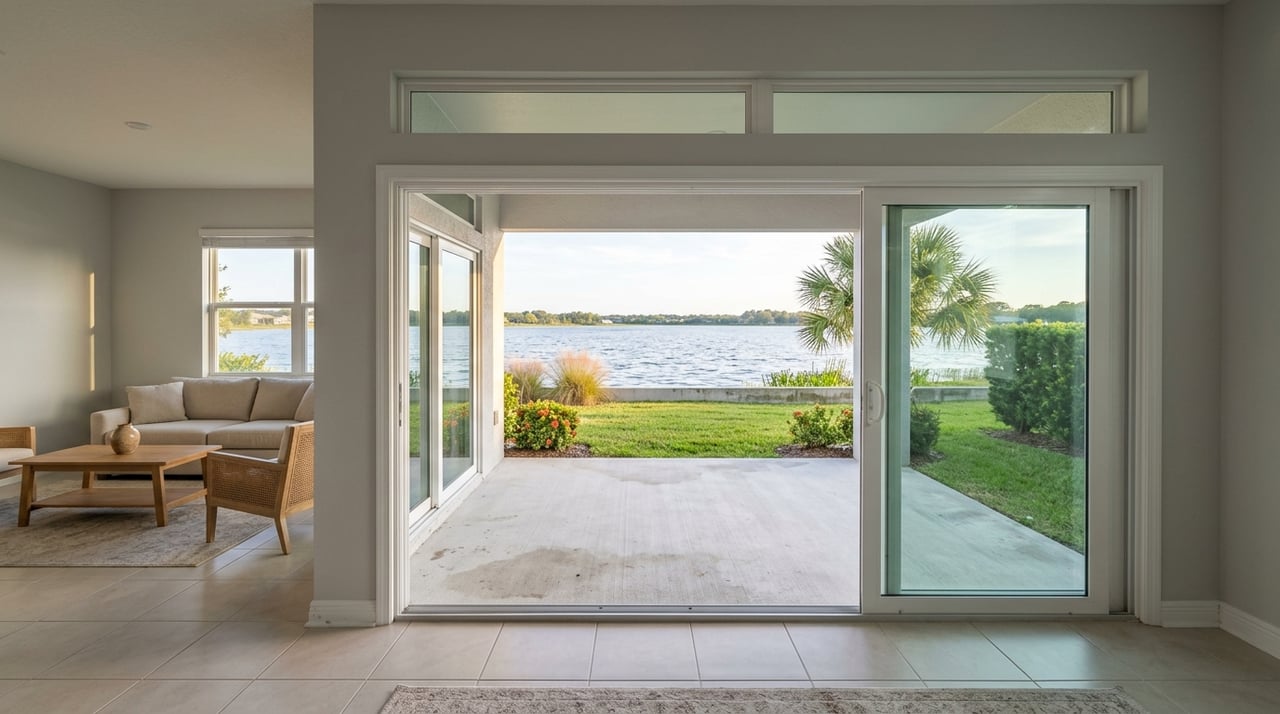
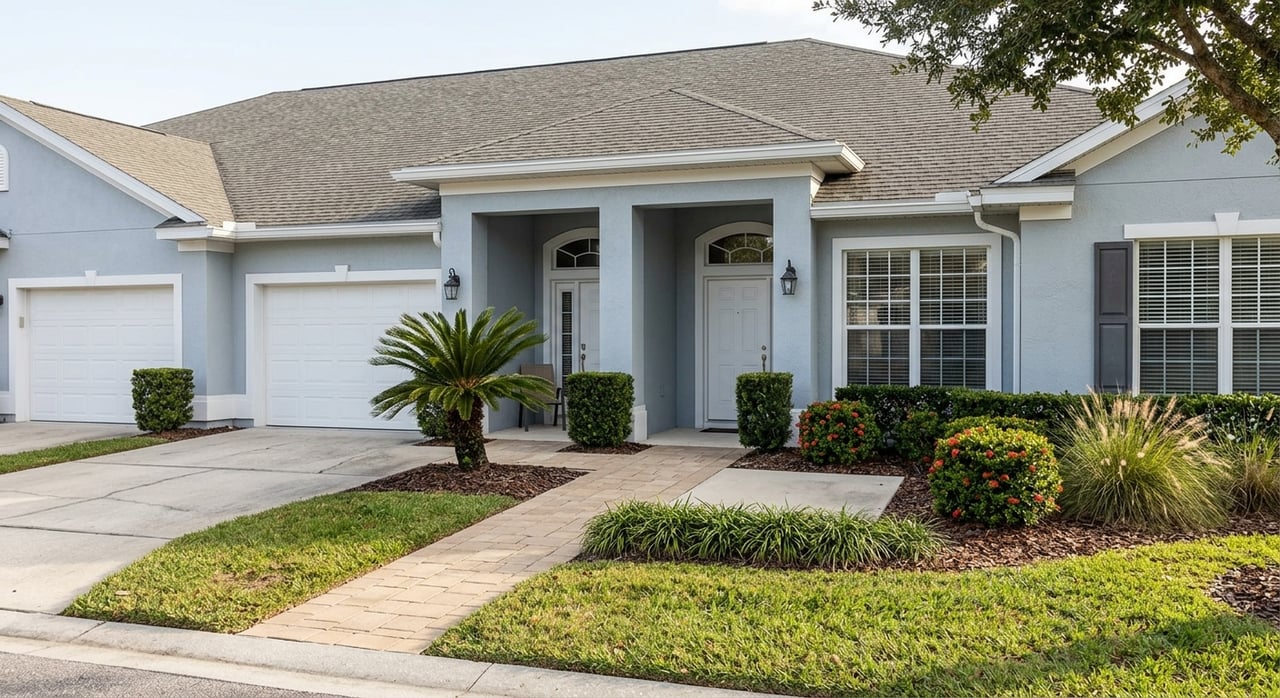
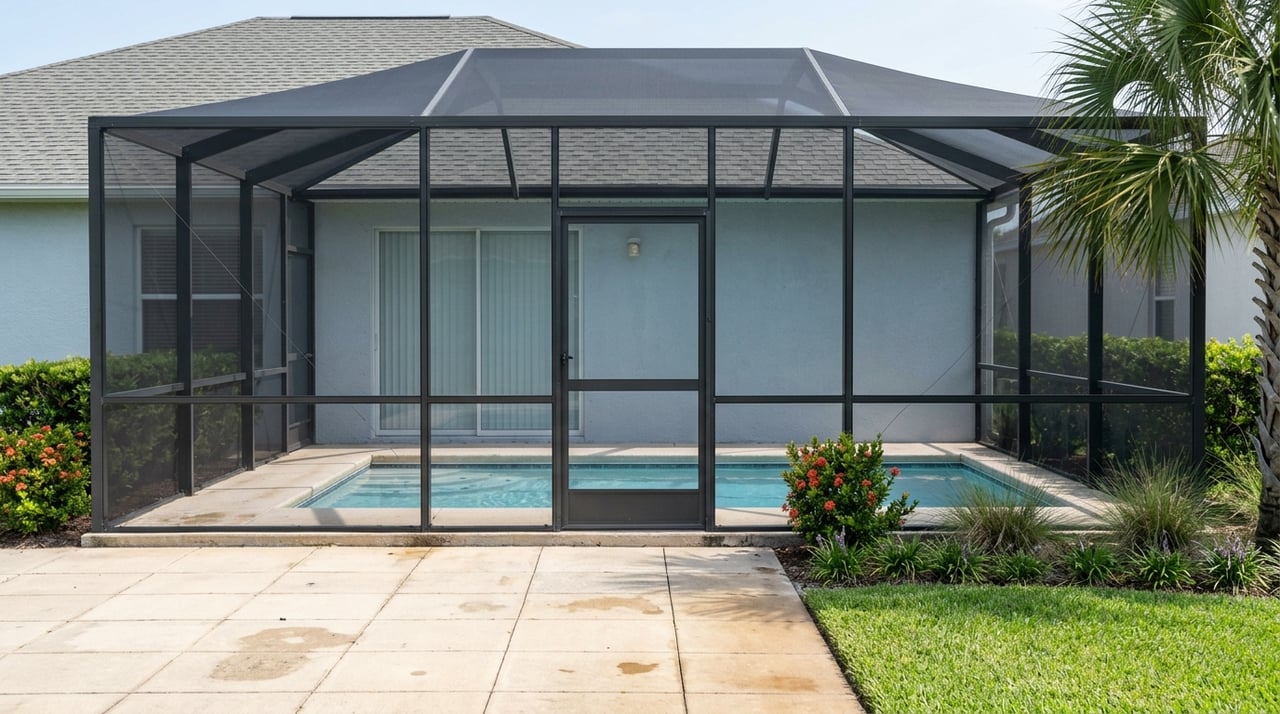
In Haines City, resort-style communities are built around on-site amenities and a more activity-driven environment. Balmoral Resort is one of the clearest examples, with a gated setting, resort pool, waterpark, clubhouse, bar and grill, games arcade, townhomes, and detached homes with private pools.
Southern Dunes is another strong example. Its golf-and-country-club setting includes a well-known course and a large clubhouse with dining, which gives the community a lifestyle focus beyond the homes themselves.
For many buyers, that setup is appealing because it creates a lock-and-leave feel. If you want amenities close by or you are drawn to a second-home lifestyle, resort-style living can make a lot of sense.
Common Features in Resort Communities
- Gated entry
- Clubhouse access
- Resort pool or private amenity spaces
- Golf or recreation focus in some communities
- More shared spaces and community rules
- Greater connection to vacation or seasonal use in certain areas
What Traditional Neighborhood Living Looks Like
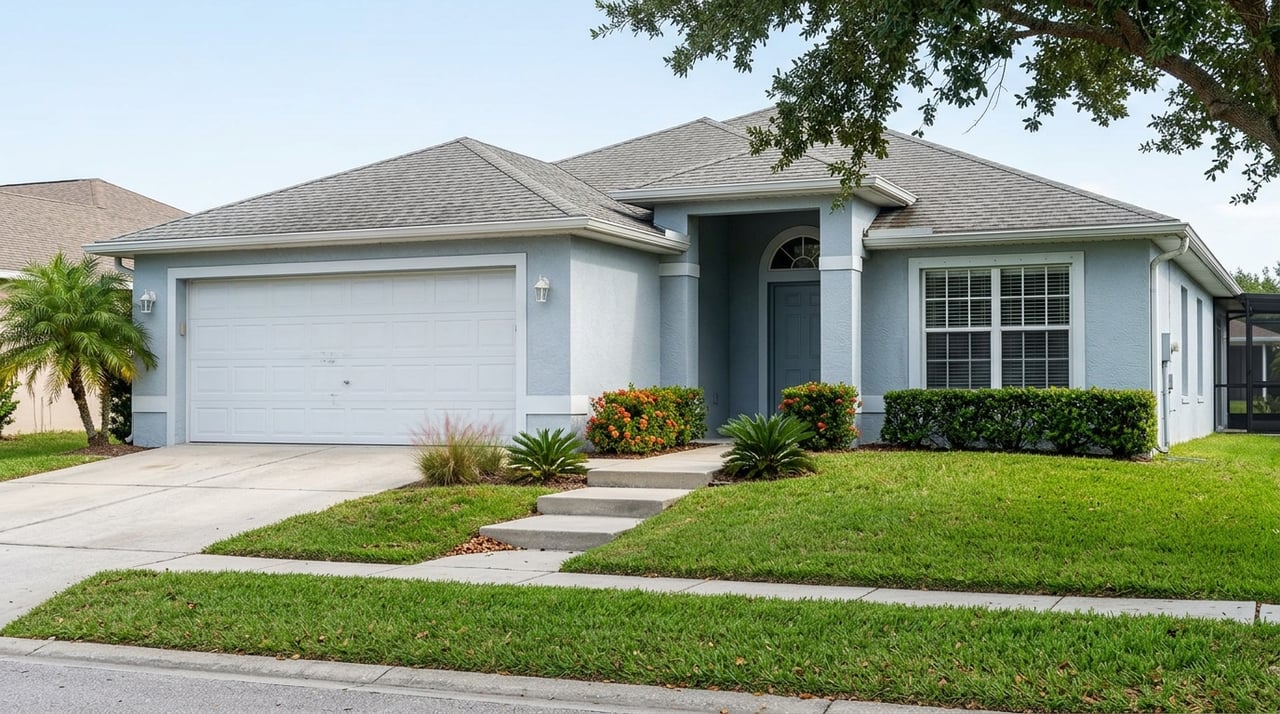
Traditional neighborhoods in Haines City usually offer a more resident-first rhythm. These areas are more closely tied to everyday local living, with routines built around errands, parks, recreation, and regular homeownership patterns rather than guest arrivals or clubhouse traffic.
The city’s neighborhood programs point in that direction too. Haines City’s Residential Rehabilitation Grant Program is aimed at eligible single-family homeowners within CRA boundaries and focuses on livability, code compliance, neighborhood stability, and preserving neighborhood quality.
City recreation also plays a big role in the traditional-neighborhood lifestyle. Haines City says it has seven parks, two athletic complexes, the Haines City Trail, and aquatic facilities like the Lake Eva Aquatic Center and the Janet J. Smith Aquatic Facility.
Common Features in Traditional Neighborhoods
- More typical single-family ownership patterns
- Fewer private resort amenities
- Greater reliance on city parks and public recreation
- A quieter, more local day-to-day pace
- More direct responsibility for yard and home maintenance
Side-By-Side Comparison
Here is the practical difference many buyers are trying to sort out.
| Feature | Resort-Style Communities | Traditional Neighborhoods |
|---|---|---|
| Daily feel | More activity-driven | More routine and residential |
| Amenities | Private, on-site resort features | City parks, trails, aquatics, local services |
| Ownership style | Often suited to second-home or vacation-oriented use | Often suited to full-time living |
| Guest traffic | Can be higher in eligible short-term rental areas | Typically lower |
| Rules | Usually more HOA oversight | Varies, often simpler |
| Maintenance rhythm | Shared amenities maintained by association | More individual property responsibility |
Short-Term Rental Rules Matter
This is one of the most important parts of the comparison. In Haines City, not every neighborhood can be used as a short-term rental.
The city currently lists Balmoral Estates, Southern Dunes, Calabay Park, and Villa Sorrento as the areas eligible to register short-term rentals. If a property is outside those areas, operating it as a short-term rental would violate the land development regulations.
The city defines a short-term rental as a rental of less than 30 days in a residential district when the use is approved through the Land Development Regulations. Registration is not a one-time step either. The city’s guidance says short-term rentals must be registered annually.
What Owners Need for Registration
According to the city’s current guidance, owners must be prepared to show or acknowledge:
- Compliance with local noise, parking, and solid-waste rules
- Active Florida Department of Revenue tax registration
- A Polk County Tourist Development Tax account number, or proof that a booking platform remits taxes
- DBPR licensing
- Compliance with occupancy and fire, smoke, and carbon monoxide requirements
The key takeaway is simple: resort-style does not automatically mean short-term-rental approved. You need to verify both the city rules and the specific community rules before you buy.
Why HOA Review Is So Important
If you are comparing resort-style communities, HOA review should be near the top of your checklist. Under Florida Statutes Chapter 720, homeowners’ associations must prepare an annual budget, maintain official records, and separately show fees or charges for recreational amenities in the budget.
That matters because amenity-rich communities often have more shared facilities to maintain. Pools, clubhouses, gated entrances, and recreation areas can add value for the right buyer, but they also create costs and rules that deserve close review.
Florida law also allows HOAs to enforce architectural-review standards. If an owner’s improvement request is denied, the association must give written notice and state the specific rule or covenant it relied on.
HOAs may also levy reasonable fines and may suspend common-area use rights when members, tenants, guests, or invitees violate governing documents or become more than 90 days delinquent on association obligations. That means you should understand not just the dues, but also the practical effect of the rules.
Questions to Ask About an HOA
- What do the monthly or annual dues cover?
- Are recreational amenity fees shown separately in the budget?
- Are there rental restrictions?
- Are there approval requirements for exterior changes?
- What happens if rules are violated?
- Will you actually use the amenities enough to justify the cost?
Second Home vs Full-Time Home
Your intended use should guide your search. If you want a second home, you may be drawn to a resort-style setting because it is designed around amenities, seasonal use, and in some cases approved vacation-rental activity.
If you want a full-time home, a traditional neighborhood may feel like a better fit. Many buyers prefer the more local rhythm and use city amenities like parks, trails, and aquatic centers instead of paying for private resort features.
There is no one right answer for every buyer. The best choice depends on how you plan to live in the home, how often you will be there, and whether features like a clubhouse, golf access, or rental flexibility truly match your goals.
Tax Considerations for Rental Use
If you are buying with rental income in mind, look beyond the purchase price. The Florida Department of Revenue notes that counties may impose local option transient rental taxes on accommodations rented for six months or less, on top of state sales tax and discretionary surtax.
That means your real cost picture may include more than mortgage, insurance, and HOA dues. If the property is meant for short-term or seasonal rental use, tax compliance should be part of your planning from the start.
How to Decide Which Fit Is Better
If you are stuck between the two, start by asking yourself a few honest questions. Do you want a home that feels more like a getaway, or one that feels more rooted in everyday local living?
Think about how often you would use a resort pool, clubhouse, or golf setting. Then compare that with your comfort level around HOA oversight, guest traffic, and community rules.
Also think carefully about use. A full-time residence, a second home, and an income-producing rental may each point you toward a different kind of neighborhood in Haines City.
A Practical Bottom Line
In Haines City, resort-style communities and traditional neighborhoods both have a place because the city serves different kinds of buyers. Resort-style areas can be a strong fit if you want on-site amenities, seasonal flexibility, or approved short-term rental potential in the right location.
Traditional neighborhoods often fit buyers who want a steadier local pace and prefer to use city parks, trails, and aquatic facilities instead of private resort amenities. The smartest move is to compare not just the homes, but also the rules, fees, and daily lifestyle that come with them.
If you want help narrowing down the right Haines City neighborhood for your goals, Cheryl Bossarte can help you compare communities, review the details that matter, and make a confident move in Polk County.
FAQs
Can any Haines City neighborhood be used as a short-term rental?
- No. The city’s current guidance limits short-term-rental registration to Balmoral Estates, Southern Dunes, Calabay Park, and Villa Sorrento.
Are resort-style communities in Haines City always better for second homes?
- Not always, but they are often a logical starting point because they are designed around amenities and, in some cases, vacation-oriented use.
Why do HOA fees matter in Haines City resort-style communities?
- HOA fees matter because Florida law requires associations to show operating expenses and recreational amenity fees in the budget, and resort-style communities usually have more shared amenities to maintain.
What makes traditional neighborhoods in Haines City feel different?
- Traditional neighborhoods usually feel more tied to everyday local living, with greater reliance on city parks, trails, aquatic facilities, and neighborhood services instead of private resort amenities.
What should you review before buying in a Haines City resort-style community?
- You should review the HOA budget, amenity fees, governing documents, rental restrictions, architectural rules, and whether the community allows your intended use.