Wondering if a historic home in Bartow is a dream purchase or a future project list in disguise? If you love character, original details, and the story that comes with an older home, Bartow offers plenty to explore. The key is knowing what “historic” really means, what to inspect closely, and what rules may apply before you buy. Let’s dive in.
What “historic” means in Bartow
Bartow is the second oldest city in Polk County, and the city notes that it includes many historic homes built in the late 19th and early 20th centuries. The city also identifies three districts in Bartow that are listed on the National Register of Historic Places. That history is part of what makes buying here so appealing.
Still, not every older home is regulated in the same way. A home can be old, architecturally notable, or even in a National Register area without facing the same level of local oversight. Before you fall in love with a property, it helps to confirm exactly how it is designated.
According to the National Park Service FAQ on National Register listing, listing on the National Register does not place federal restrictions on a private owner. In Bartow, local review is a separate issue. The city’s Historic Architectural Review Board may review alterations, demolitions, relocations, and new construction within designated local historic districts.
Architectural details to expect
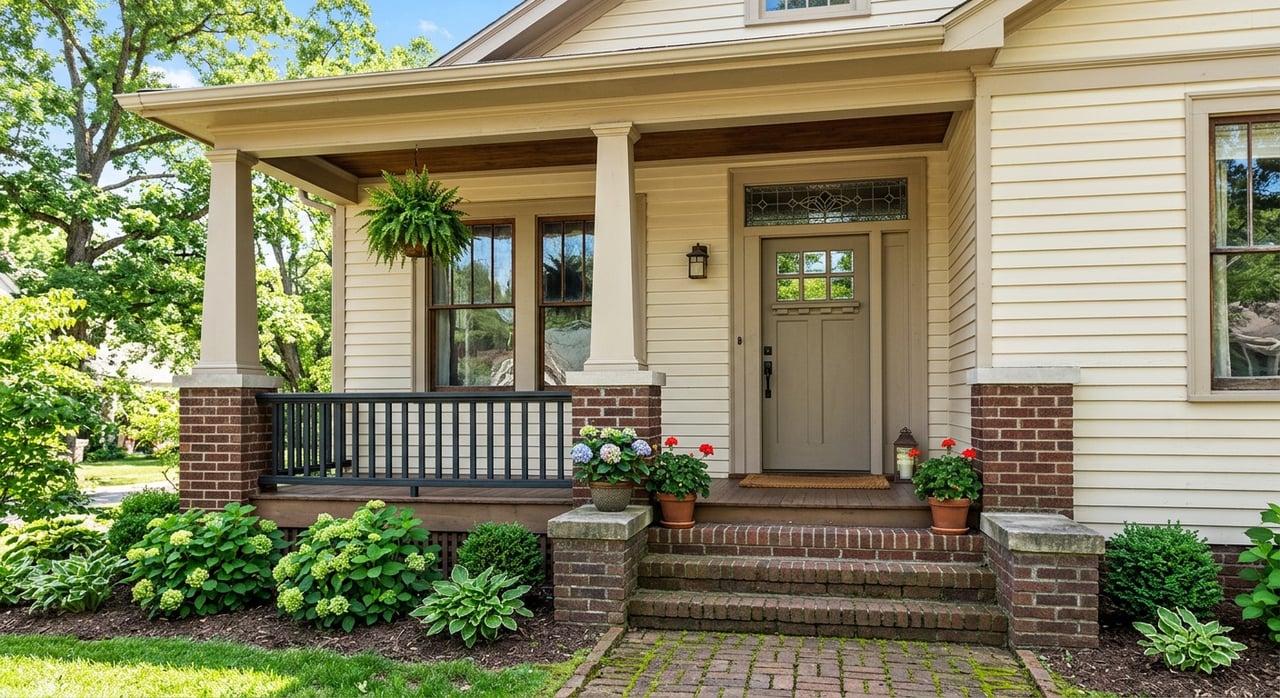
Historic homes in Bartow often include features that are hard to replicate in newer construction. National Register documentation describes much of Bartow’s historic residential stock as wood-frame vernacular, with some masonry and masonry-veneer homes as well. You may also see gable or hip roofs, double-hung wood sash windows, porches or verandas, raised masonry foundations or piers, and brick chimneys with corbelled caps.
Bartow’s historic districts also reflect a mix of styles and influences. Documentation for local historic areas notes Queen Anne, Colonial Revival, Classical Revival, Bungalow/Craftsman, Shingle, and some Mediterranean Revival elements. In some cases, homes were updated over time, such as earlier residences that later gained Bungalow-era porches.
That mix can be a major part of the charm. It also means each home may have a different repair history, construction method, and maintenance pattern. Two houses built in a similar era may need very different levels of work.
Why designation matters before you renovate
If you are already picturing paint colors, porch updates, or a new addition, pause and verify the property’s status first. In Bartow, building permits are required for a wide range of projects, including work that constructs, enlarges, alters, moves, replaces, repairs, improves, converts, demolishes, or changes occupancy of a building or structure. Permits are also required for items such as sheds, fences, pools, and other accessory structures.
For homes in a local historic district, there may be an added review layer for exterior changes. The city states that the Historic Architectural Review Board can review proposed alterations and related work within district boundaries. For you as a buyer, that means ownership alone does not automatically give you full freedom to make exterior changes without review.
This is one reason due diligence matters so much with older homes. If a prior owner completed work without permits or without required approval, that could become your issue after closing. Reviewing records in advance can help you avoid surprises.
Smart due diligence before closing
One of the most practical steps you can take is to review city records before you buy. Bartow states that municipal records are open for inspection through the City Clerk’s office. That can help you confirm permit history and check whether major work appears to have been done properly.
You should also ask whether the home has been vacant. Bartow notes that a residential safety inspection may be required when power has been off for more than 90 consecutive days. If you are considering a long-vacant property, that is worth clarifying early in the process.
A strong due-diligence checklist may include:
- Confirming whether the home is in a local historic district
- Reviewing available permit history
- Asking about past roof, plumbing, electrical, and HVAC updates
- Checking whether the property has been vacant for an extended period
- Verifying what repairs or changes may need permits or review after closing
Inspection issues older Bartow homes may have
Historic homes can be solid and rewarding to own, but they usually require a more careful inspection mindset. In Florida, moisture control is especially important. The University of Florida IFAS Extension explains that drywood termites commonly infest sound, non-decayed wood, while dampwood termites are associated with high-moisture wood and conditions tied to moisture or humidity.
That means your inspection should go beyond surface appeal. A beautiful porch, original woodwork, or older siding may still need close evaluation for moisture intrusion, hidden damage, drainage issues, or pest activity. UF/IFAS recommends reducing moisture, directing water away from the structure, fixing leaks, keeping an inspection space below siding, and scheduling regular termite inspections.
In practical terms, buyers of historic homes in Bartow should pay close attention to:
- Roof age and signs of leaks
- Electrical system condition
- Plumbing updates and active issues
- HVAC performance
- Moisture around foundations, crawlspaces, porches, and siding
- Evidence of termite activity or wood damage
Insurance and four-point inspections
Insurance is another area where older homes often need extra planning. Citizens states that a four-point inspection is required for certain applications on properties more than 20 years old. That inspection focuses on four major systems: electrical, plumbing, HVAC, and roof.
Citizens also notes that serious hazards or leaks should be repaired before coverage is submitted. For buyers, this can affect both timing and budget. A home that looks move-in ready may still need system repairs or documentation before insurance can be finalized.
Roof age can be especially important. Citizens says roofs older than 25 years for soft coverings or 50 years for hard coverings need documentation showing at least five years of remaining useful life. The same source also explains that a wind mitigation inspection can document wind-resistant features that may qualify for premium discounts on windstorm coverage.
Repairing versus replacing
With a historic home, newer is not always better. The Secretary of the Interior’s Standards for Rehabilitation emphasize repair and compatibility over unnecessary replacement. That approach is useful even if you are simply thinking like a careful homeowner rather than pursuing any formal preservation program.
For you, that means it may be smarter to preserve original materials where possible and make updates that respect the home’s existing character. Wholesale replacement can be more expensive, less appropriate for the property, or more difficult if local review applies. A thoughtful repair plan often serves both long-term maintenance and resale value.
Tax credit assumptions to avoid
Many buyers hear “historic home” and assume there is an automatic tax incentive. That is not always the case. The National Park Service states that the federal historic rehabilitation tax credit applies to certified historic structures used in income-producing settings, and owner-occupied residential properties do not qualify.
So if you are buying a historic home in Bartow as your primary residence, do not count on that federal credit as part of your financial plan. It is always better to verify eligibility before making assumptions about renovation costs or return on investment.
Check flood risk early
Flood risk is another item to review before you get too far into a purchase. FEMA states that the Flood Map Service Center is the official public source for flood hazard information. FEMA also notes that flood insurance is available even outside high-risk zones.
Checking flood information early can help you better understand insurance needs, monthly costs, and future planning. This is especially helpful when you are comparing an older home with a newer alternative in Bartow or elsewhere in Polk County.
A practical mindset for buying historic
Buying a historic home in Bartow can be incredibly rewarding if you go in with clear eyes. These homes often offer distinctive architecture, established settings, and details that are difficult to find in modern construction. At the same time, they typically require more research, more careful inspections, and a more thoughtful maintenance plan.
The best approach is to balance charm with verification. Confirm the property’s designation, review records, inspect the major systems carefully, and understand permit and insurance requirements before you commit. When you do that, you can enjoy the character of a historic home without taking on avoidable surprises.
If you are considering a historic home in Bartow or comparing older properties across Polk County, working with a local expert can make the process much smoother. Cheryl Bossarte offers hands-on guidance, local market knowledge, and practical support to help you evaluate the details that matter most.
FAQs
What should you verify before buying a historic home in Bartow?
- You should confirm whether the home is simply older, listed in a National Register area, or located in a local historic district with review requirements.
Do National Register properties in Bartow have federal restrictions on private owners?
- No. The National Park Service says National Register listing itself does not place federal restrictions on a private owner.
Can exterior changes to a historic home in Bartow require review?
- Yes. If the property is in a designated local historic district, Bartow’s Historic Architectural Review Board may review certain exterior changes, demolitions, relocations, and new construction.
What inspections are important for an older home in Bartow?
- You should pay close attention to roof, electrical, plumbing, HVAC, moisture conditions, and termite activity, especially given Florida’s climate.
Do older Bartow homes need a four-point inspection for insurance?
- In many cases, yes. Citizens requires a four-point inspection for certain applications on properties more than 20 years old.
Do owner-occupied historic homes in Bartow qualify for the federal rehabilitation tax credit?
- No. The National Park Service says the federal historic rehabilitation tax credit does not apply to owner-occupied residential properties.