Wondering whether a second home in Davenport is a smart move or an expensive extra? If you love the idea of having your own Central Florida home base, you are not alone. For many buyers, Davenport offers a practical mix of location, flexibility, and everyday livability. The key is making sure the lifestyle, budget, and ownership responsibilities truly fit your plans. Let’s dive in.
Why Davenport Appeals to Second-Home Buyers
Davenport stands out for one big reason: convenience. It gives you access to Central Florida attractions and travel routes without putting you right in the middle of the busiest theme-park areas. That can be appealing if you want a place to return to often, rather than a hotel-style experience.
From central Davenport, route-planning tools put you about 26 minutes from Disney World in Lake Buena Vista, about 35 minutes from Universal Orlando, about 41 minutes from Orlando International Airport, and about 26 minutes from LEGOLAND Florida. That makes Davenport a practical choice if you want to enjoy the region while keeping your home base in Polk County.
Another plus is that the City of Davenport handles core local services such as streets, utilities, trash removal, and parks and recreation. If you will not be in town full time, that kind of local structure matters. It can make ownership feel more manageable, especially when you want a home that is easy to lock and leave.
What a Second Home Really Means
Before you shop, it helps to understand what qualifies as a second home. Under Fannie Mae guidelines, a second home must be occupied by the borrower for some portion of the year, be a one-unit dwelling, be suitable for year-round occupancy, remain under the borrower’s exclusive control, and not be a rental property or timeshare.
That definition matters because it shapes both financing and your long-term plan. If your main goal is repeated personal use, Davenport may fit very well. If your main goal is full-time rental income, you may be looking at a different category of property altogether.
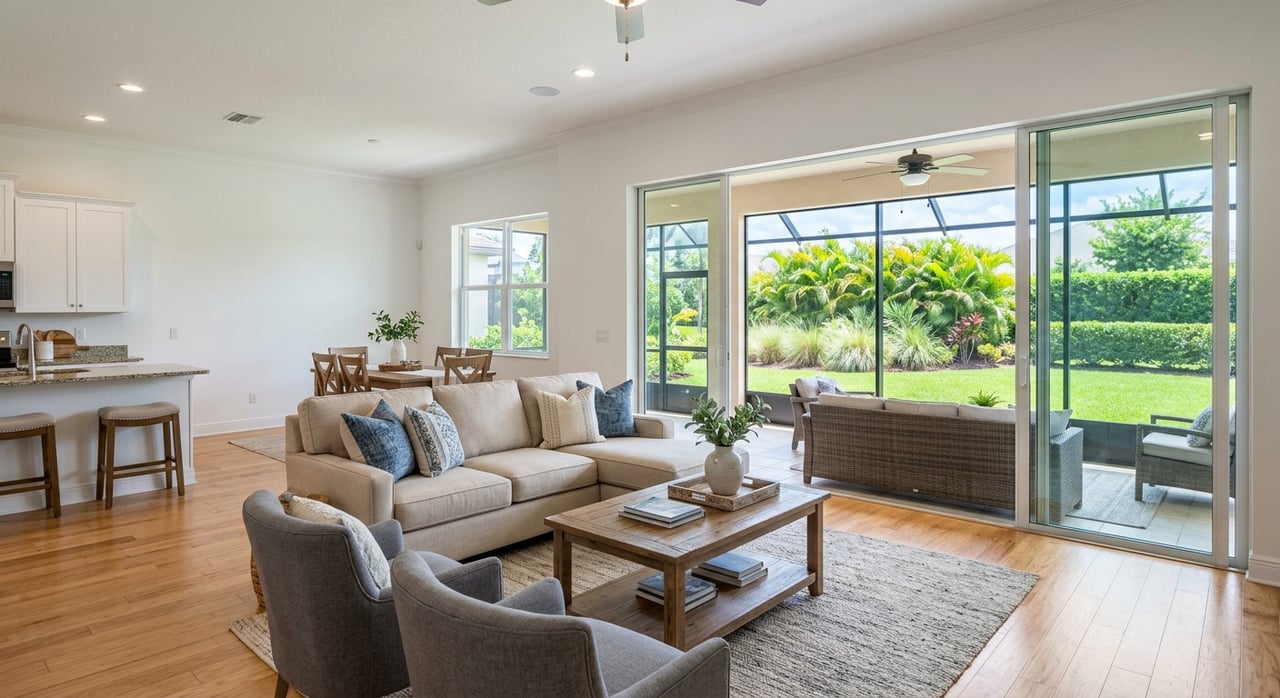
In simple terms, a true second home should function like a real residence. You want a property that stays comfortable and practical whether you use it for seasonal visits, long weekends, or extended stays during part of the year.
When a Davenport Second Home Makes Sense
A Davenport second home tends to make the most sense when you expect to use it regularly. If you already visit Central Florida several times a year, owning can offer more comfort, familiarity, and control than booking a place each trip.
It can also work well if you want a home that supports a specific lifestyle. That might mean winter stays, easy access to regional attractions, or a low-key Florida base where you can settle in at your own pace.
Buyers who are usually happiest with this kind of purchase often share a few traits:
- You expect repeated personal use, not just occasional visits.
- You can comfortably handle the property’s ongoing costs year-round.
- You want a home that is suitable for year-round living.
- You are prepared for Florida weather planning, including flood and storm readiness.
- You are not depending on VA financing for the purchase.
The Biggest Tradeoff: Ongoing Costs
The most important downside to any second home is simple: the bills continue even when you are not there. That is why your budget should go beyond the mortgage payment.
CFPB notes that ongoing housing costs can include mortgage payments, mortgage insurance, property taxes, homeowners insurance, flood insurance, HOA fees, maintenance and repairs, and utilities. It also notes that taxes and insurance can rise over time, which is especially important to remember when you are budgeting for a home you will not occupy full time.
For many buyers, this is the make-or-break issue. A second home should add enjoyment and convenience to your life, not financial stress. If the carrying costs feel tight on paper, they may feel tighter once maintenance, insurance changes, or seasonal repairs show up.
Flood and Storm Planning in Polk County
In Davenport, weather risk deserves real attention. Flood insurance is separate from homeowners insurance, and the City of Davenport notes that even a few inches of water can cause thousands of dollars in damage.
That is why flood risk should be part of your early screening process, not an afterthought. Before you move forward on a property, it is wise to review the official flood-hazard mapping information and understand what coverage may be needed.
Storm planning matters too. Polk County does not have a mandatory evacuation policy, and the county recommends preparing a seven-day supply of food and water, organizing important documents, trimming vegetation, and planning ahead before a storm arrives.
If you will be away for long stretches, ask yourself how the home will be monitored and maintained during storm season. A second home should be easy to enjoy, but it should also be realistic to protect from a distance.
Financing Rules You Should Know
Many second-home buyers use conventional financing, but occupancy rules are a major part of the equation. Fannie Mae’s second-home standards focus on personal use, year-round suitability, exclusive control, and one-unit properties.
There is one detail that often surprises buyers. Fannie Mae says rental income does not automatically disqualify a second-home loan if that income is not used to qualify and the property still meets all second-home rules. Even so, your intended use needs to be clear from the start.
VA financing works differently. CFPB states that VA loans are for a primary residence and cannot be used to buy a vacation home or rental investment property. If you were hoping to use VA benefits for a Davenport second home, that is an important distinction to know early.
Lenders also review your income, assets, employment, debts, savings, and credit history when deciding whether you can repay a loan. In other words, your overall financial picture matters just as much as the home itself.
Budgeting Beyond the Purchase Price
A good second-home budget includes more than your offer amount. According to CFPB, closing costs often run about 2% to 5% of the purchase price. CFPB also notes that a down payment of 20% or more typically avoids mortgage insurance.
Those numbers can help you set realistic expectations before you begin your search. They also help you compare whether buying now, waiting, or adjusting your price range makes the most sense.
When you build your budget, consider these line items:
- Down payment
- Closing costs
- Monthly mortgage payment
- Property taxes
- Homeowners insurance
- Flood insurance, if needed
- HOA fees, if applicable
- Utilities
- Routine maintenance and repairs
Rental Plans Can Change the Picture
Some buyers assume they can sort out personal use and rental plans later. In reality, that choice can affect financing, taxes, and how you use the home.
IRS guidance says personal and rental use must be divided, and the tax treatment changes based on how the property is used. IRS Topic 415 states that a dwelling is considered a residence if personal use is more than the greater of 14 days or 10% of rental days. There is also a special rule for rentals of fewer than 15 days.
Because those rules can get technical quickly, this is a smart area to review with a tax professional before you rely on rental income in your plans. If your vision is mostly personal enjoyment, a straightforward second-home strategy may be the cleaner fit.
Homestead Exemption Usually Does Not Apply
Florida homestead treatment is another point buyers sometimes overlook. The Florida Department of Revenue ties homestead exemption to property used as a permanent residence, and Polk County says first-time exemption applications are filed with the Property Appraiser by March 1.
In practical terms, a true second home usually will not qualify for the homestead tax break. That can affect your long-term carrying costs, so it is worth factoring in from the beginning.
This is one reason second-home buyers benefit from local guidance. What looks affordable at first glance can feel different once taxes, insurance, and non-homestead ownership costs are added together.
Which Property Type Fits Best?
The best Davenport second home is often the one that creates the least friction when you are away. That starts with choosing a property type that matches how hands-on you want to be.
Condo or Townhome Benefits
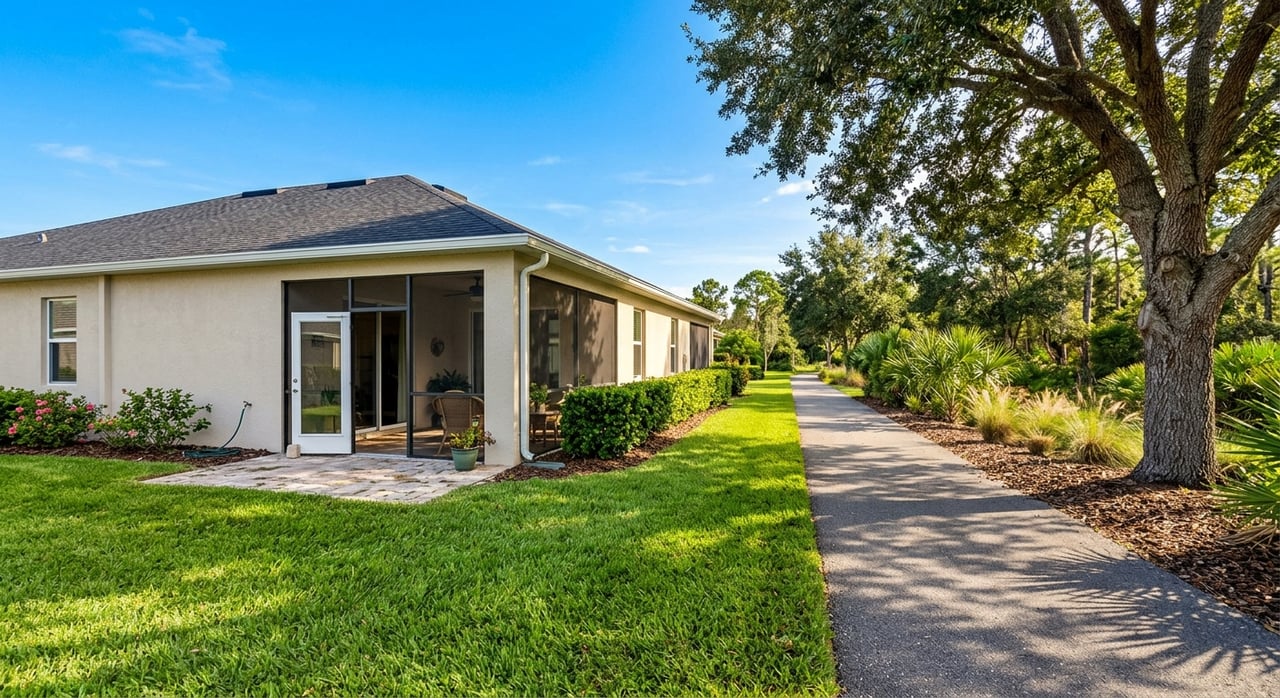
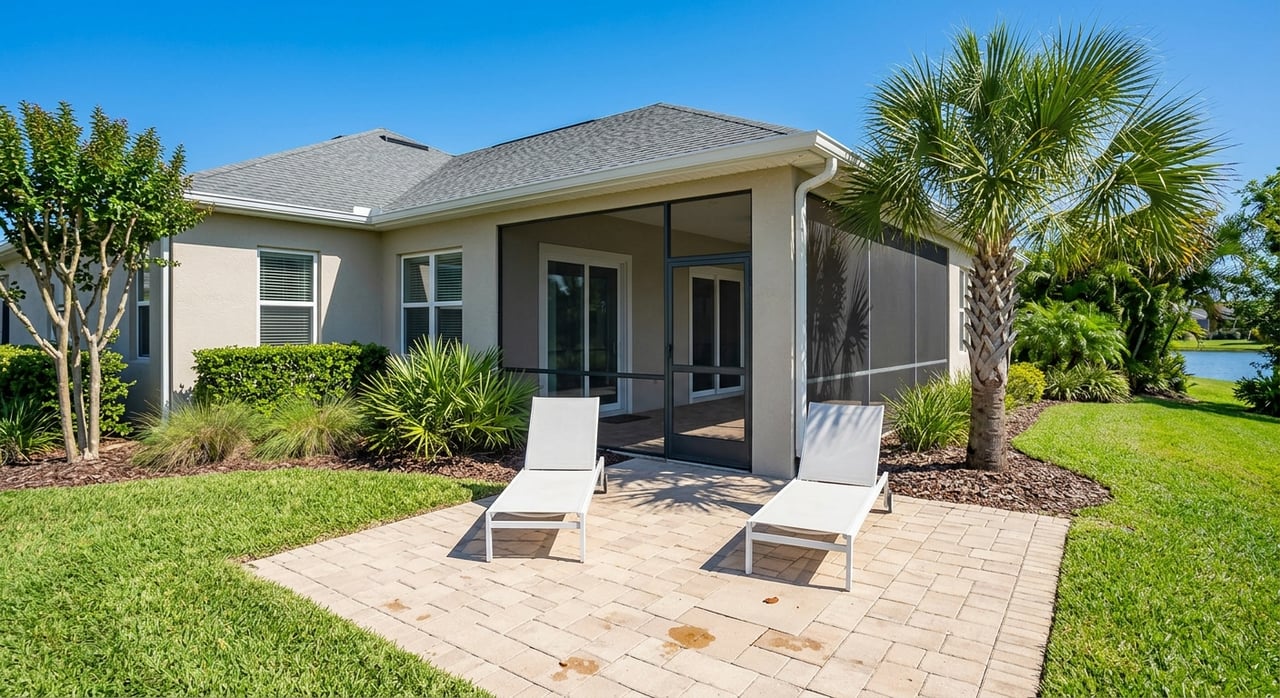
A condo or townhome can appeal to buyers who want a lower-maintenance setup. Association fees and rules may cover or simplify some exterior upkeep, which can be helpful if you plan to spend part of the year elsewhere.
This option may be worth a closer look if convenience is your top priority. For some buyers, fewer maintenance tasks are well worth the tradeoff of association rules and recurring fees.
Single-Family Home Benefits
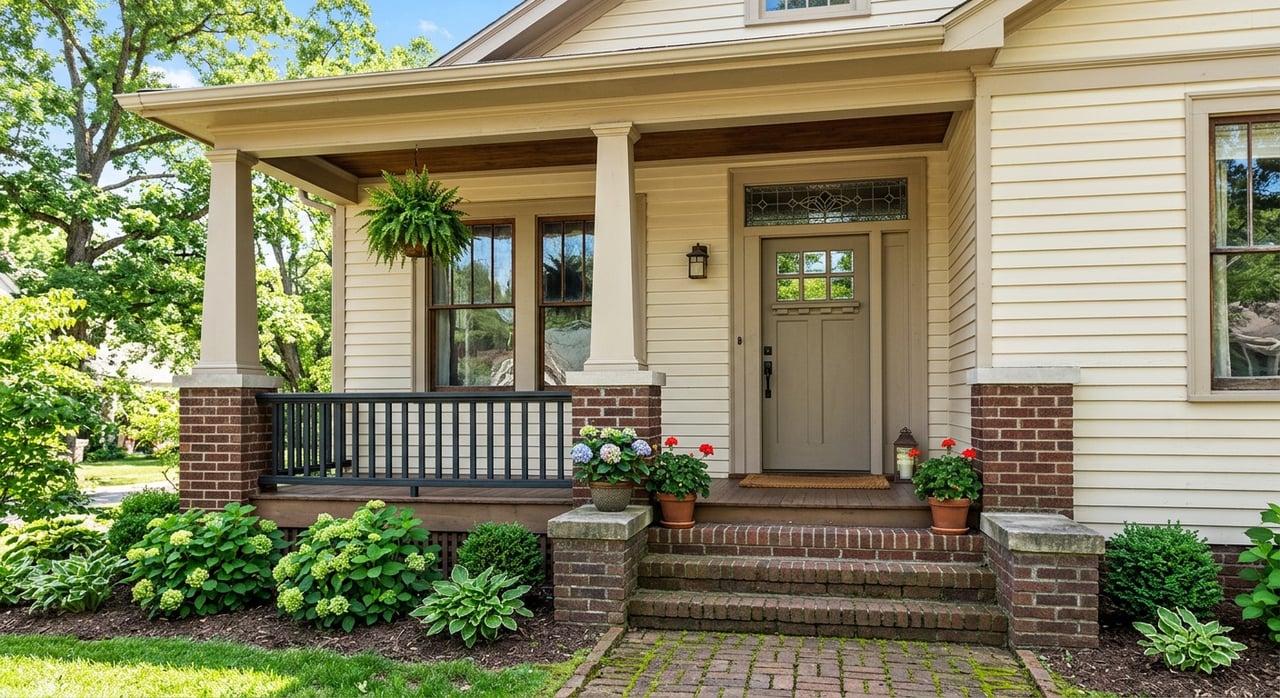
A single-family home may be a better fit if you want more privacy, storage, and control. It can also offer more flexibility in how you live in and use the property.
That said, more control often means more responsibility. If you choose a single-family home, think carefully about yard care, storm prep, exterior maintenance, and how the property will be looked after while you are away.
Questions to Ask Before You Buy
A second home is a lifestyle purchase, but it still needs to work on paper. Asking the right questions early can help you avoid buying a property that looks exciting now but feels difficult later.
Here are a few smart questions to answer before you move forward:
- How often will you realistically use the home each year?
- Are you buying mainly for personal use, seasonal use, or future rental income?
- Can you comfortably cover mortgage, taxes, insurance, HOA fees, utilities, and maintenance when the home is empty?
- Have you reviewed flood risk, insurance needs, and hurricane preparedness requirements?
- Do you need to speak with a lender or tax professional before making a decision?
The Bottom Line on a Davenport Second Home
A Davenport second home can be a great fit if you want a Central Florida base that is convenient, comfortable, and practical for repeated personal use. The location works well for many buyers who want access to the region without staying in the middle of the most heavily visited areas.
The right purchase comes down to honest planning. If you understand the financing rules, budget for the full cost of ownership, prepare for weather-related risks, and choose a property that is easy to manage, a second home in Davenport can offer real long-term value and enjoyment.
If you are weighing your options in Davenport or anywhere in Polk County, Cheryl Bossarte can help you compare neighborhoods, property types, and ownership considerations with clear, local guidance.
FAQs
Is Davenport, Florida a good place for a second home?
- Davenport can be a strong second-home option if you want a Central Florida base with convenient access to major attractions, the airport, and Polk County destinations while still planning regular personal use.
What qualifies as a second home in Davenport?
- Under Fannie Mae guidelines, a second home must be a one-unit property that you occupy for part of the year, that is suitable for year-round use, under your exclusive control, and not a timeshare or primarily a rental property.
Can you use a VA loan to buy a second home in Davenport?
- No. CFPB states that VA loans are for a primary residence and cannot be used to purchase a vacation home or rental investment property.
What costs should you budget for with a Davenport second home?
- You should plan for the mortgage, taxes, homeowners insurance, possible flood insurance, HOA fees, utilities, maintenance, repairs, and closing costs, which CFPB says often run about 2% to 5% of the purchase price.
Do second homes in Davenport need flood insurance?
- Flood insurance is separate from homeowners insurance, and whether you need it depends on the property and its flood risk, so reviewing official flood-hazard information is an important step before you buy.
Do second homes in Polk County qualify for homestead exemption?
- Usually no. Florida homestead exemption is tied to a property used as a permanent residence, so a true second home typically does not qualify.