Trying to decide between a lakefront home and a neighborhood home in Winter Haven? You are not alone. With dozens of lakes, a wide mix of price points, and communities that offer everything from private docks to shared amenities, the choice can feel bigger than just location. This guide will help you compare the real tradeoffs so you can choose the lifestyle that fits you best. Let’s dive in.
Why Winter Haven Makes This Choice Unique
Winter Haven is built around the water. The city reports 50 lakes within or bordering city limits, including the well-known Chain of Lakes.
That matters because your decision is not simply between “water” and “no water.” You may be choosing between a home on a navigable lake, a home on a quieter non-navigable lake, or a neighborhood property with lake access or water-oriented amenities.
The Winter Haven Chain of Lakes is a 22-lake, 9,000-acre system where boating and fishing are popular. The city also notes there are 13 additional public lakes inside city limits that are not navigable, which can appeal to buyers who want calmer water views and less boat traffic.
On the broader market, current trackers place Winter Haven’s typical home value at about $276,487, with a median listing price around $294,000. That gives you a useful starting point, but water-related homes often need a closer look than market-wide averages can provide.
Lakefront vs Neighborhood: The Core Difference
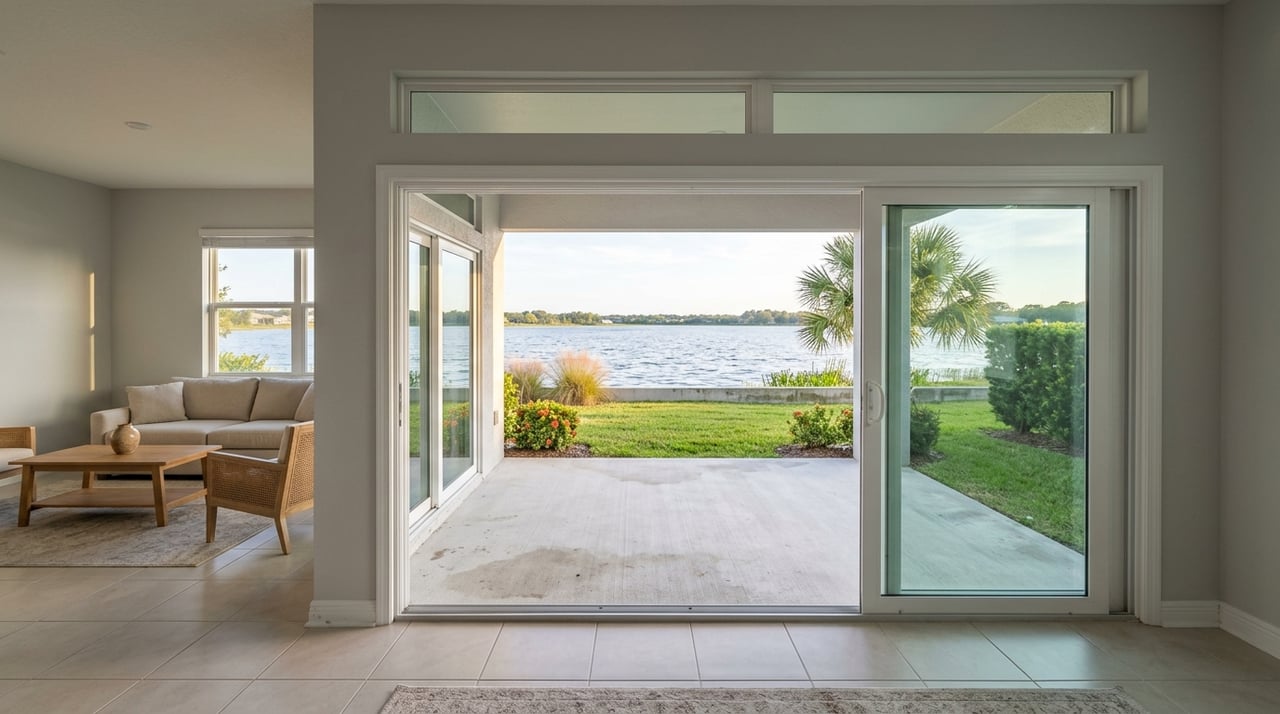
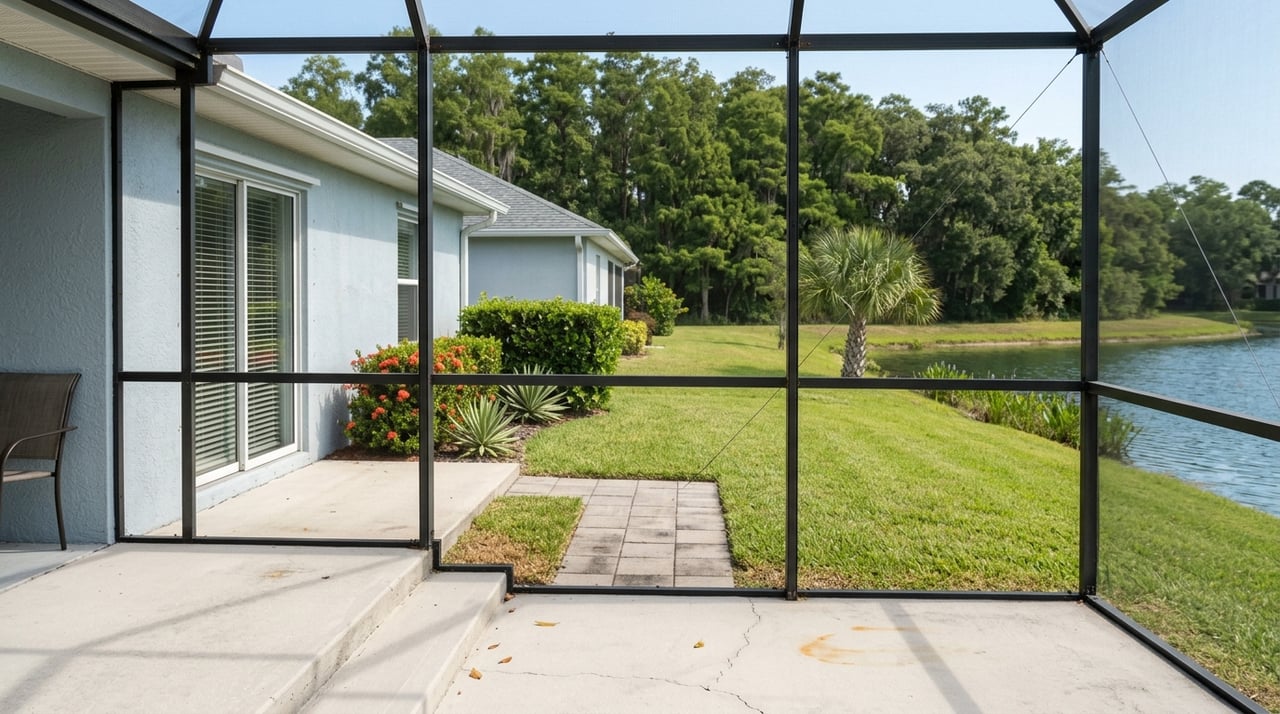
A true lakefront home gives you direct frontage on the water. Depending on the property, that may also include dock rights, private launch options, wider water views, and a stronger sense of privacy and place.
A neighborhood home usually trades direct shoreline ownership for a simpler routine. In Winter Haven, that might mean lake access through a community dock, water views without direct frontage, or amenities that support a water-focused lifestyle without the full upkeep of living on the shore.
For many buyers, the better choice comes down to how you want to use the property day to day. If you picture stepping outside to your own dock, lakefront may be worth the added responsibility. If you want convenience and lower maintenance, a neighborhood setting may fit better.
How Prices Compare in Winter Haven
One of the biggest surprises in Winter Haven is that the word lakefront does not always tell you enough about value. Broad listing categories show waterfront and lakefront homes around a median listing price of $299,000, but those categories can include condos and townhomes along with houses.
When you look at individual single-family examples, the price range gets wider. Current direct-lake listings cited in the research range from $375,000 to $850,000. Lake-access alternatives also vary quite a bit, from roughly $245,000 to more than $500,000.
That overlap tells you something important. In Winter Haven, pricing is often shaped by factors like lake size, lot width, condition, dock status, and community amenities, not just whether the listing says lakefront.
A national Zillow study offers helpful context here. It found waterfront homes sold for about 3% more than expected, while homes mentioning a dock sold for 5.4% more than expected. That is not a Winter Haven-specific premium, but it helps explain why direct frontage and usable dock access often draw strong interest.
What Really Drives Value
If you are comparing homes, price per square foot alone will not tell the whole story. Two properties with a similar asking price can offer very different ownership experiences.
In Winter Haven, these factors often matter most:
- Direct frontage versus shared or indirect access
- Dock rights or existing dock features
- Lake type, including navigable chain access or quieter non-navigable water
- Lot width and view corridor
- Home condition and updates
- HOA amenities and costs
- Flood-insurance exposure
- Shoreline maintenance responsibilities
This is why a neighborhood home with strong amenities can compete with a lower-tier waterfront property on lifestyle value. It is also why a direct-water home with solid frontage and dock access can command more attention than a nearby non-water home, even when the square footage is similar.
Lakefront Lifestyle: Pros and Tradeoffs
For many buyers, lakefront living is about more than resale. It is about the way your home feels every day. If boating, fishing, water views, or private outdoor time are high on your list, direct frontage can be hard to replace.
The Winter Haven Chain of Lakes is especially appealing if you want an active water lifestyle. Because it is known for boating and fishing, chain access can shape how often you use the water and how connected you feel to the setting.
Still, lakefront ownership comes with added responsibility. You are not just buying the view. You are also buying shoreline stewardship, possible dock upkeep, and more property-specific review before you make an offer.
Lakefront may fit you if:
- You want direct access to the water from your property
- You would use a dock regularly
- Daily views and privacy matter a lot to you
- You are comfortable with extra maintenance and permit-related rules
- You are prepared to review flood risk early in the process
Neighborhood Home Lifestyle: Pros and Tradeoffs
A neighborhood home can be the smarter match if you want the Winter Haven lifestyle without the full load of waterfront ownership. In many cases, you can still enjoy lake access, community docks, ramps, or recreation-focused amenities.
That can be especially attractive if you value convenience. Instead of managing shoreline vegetation or dock repairs, you may have a more predictable maintenance routine and still enjoy a strong lifestyle component.
Winter Haven examples in the research show how varied this can be. Some homes offer lake access with community docks, some are near the Chain of Lakes without an HOA, and others are in amenity-rich communities where the lifestyle package is part of the draw.
Lake Ashton is one example of that amenity-driven model. It advertises features such as gatehouses, a boat dock and ramp, RV and boat storage, clubhouse space, dining, fitness centers, pools, tennis, pickleball, and golf courses. For buyers who want activity and access without direct shoreline upkeep, that kind of setup can be compelling.
A neighborhood home may fit you if:
- You want lower day-to-day maintenance
- You like the idea of shared lake access or community amenities
- You prefer predictable routines over waterfront upkeep
- You want to compare more options in the mid-market range
- You are open to HOA review in exchange for amenities
Maintenance Matters More Than Many Buyers Expect
One of the clearest differences between these options is maintenance. A neighborhood home usually has more standard exterior care, while a lakefront property may include extra layers of responsibility tied to the shoreline.
Winter Haven’s Natural Resources division says shoreline vegetation can generally be cleared only within 50 feet or 50 percent of the shoreline, whichever is smaller, without a permit. The city also notes that creating sandy beaches on naturally vegetated lakeshores can harm lake health and requires state and water-management permits.
UF/IFAS Florida-Friendly Landscaping guidance for waterfronts recommends a low-maintenance zone of at least 10 feet at the water’s edge, with no mowing, irrigation, fertilizer, or pesticides in that strip. In practical terms, that means a neat, fully altered backyard edge may not be the best or easiest approach on a true lakefront lot.
You may also need to think about erosion control, dock upkeep, vegetation management, and occasional permit review for improvements. None of that has to be a deal breaker, but it should be part of your decision before you fall in love with a view.
HOA and Amenity Questions to Ask
If you are comparing neighborhood homes, HOA details deserve close attention. Florida law requires a disclosure summary before you execute a contract on a community-governed property, and buyers may have the right to void the contract within 3 days after receiving the disclosure if it was not provided on time.
The law also requires HOA budgets to show operating expenses, separate fees for recreational amenities, and reserve-account language that can warn owners about possible special assessments if reserves are not fully funded. That means an attractive amenity package should always be reviewed alongside the community’s financial structure.
When you compare neighborhoods, ask practical questions such as:
- What amenities are included in the dues?
- Are there separate fees for recreation or boat storage?
- Are reserves funded?
- Are there recent or possible special assessments?
- What rules apply to docks, boats, parking, or exterior changes?
A neighborhood with access and amenities can be a great value, but only if the costs and rules match your goals.
Flood Risk and Insurance Planning
Whether you prefer lakefront or neighborhood living, flood risk should be part of your early research. This is especially important for homes near water, even if the property itself looks elevated or well maintained.
The Consumer Financial Protection Bureau notes that standard homeowners insurance typically does not cover flood damage. A separate flood insurance policy may be needed if the property is at risk.
This does not mean every home near a lake will carry the same insurance profile. It does mean you should compare properties with insurance questions in mind, not just purchase price. A home that feels like a bargain up front may look different once insurance costs are part of the monthly picture.
A Simple Way to Decide
If you feel torn, focus less on labels and more on how you want to live. In Winter Haven, the better choice is often the one that matches your routine, budget, and comfort level with upkeep.
Here is a practical checklist to use when comparing homes:
- Decide how often you would actually use direct water access.
- Confirm whether the lake is navigable or quieter and non-navigable.
- Check dock status, rights, and improvement rules.
- Review shoreline maintenance responsibilities.
- Compare HOA dues, amenities, reserves, and restrictions.
- Ask about flood risk and insurance needs early.
- Weigh privacy, convenience, and total monthly cost together.
If you use that framework, the right answer often becomes clearer. For some buyers, direct frontage is worth every bit of extra care. For others, a neighborhood home with access or amenities delivers the better overall lifestyle.
The Best Choice Depends on You
There is no one-size-fits-all answer in Winter Haven. A lakefront home can deliver direct access, views, and a stronger connection to the water. A neighborhood home can offer easier living, shared amenities, and a smart balance between lifestyle and maintenance.
The key is knowing what you are really buying. When you look beyond the label and compare access, upkeep, insurance, and community features, you can make a more confident decision.
If you want help comparing lakefront and neighborhood homes in Winter Haven, Cheryl Bossarte offers local, hands-on guidance to help you weigh the details and find the right fit for your lifestyle.
FAQs
What is the main difference between a lakefront home and a neighborhood home in Winter Haven?
- A lakefront home gives you direct frontage on the water, while a neighborhood home may offer lake access, water views, or community amenities without direct shoreline ownership.
How much more does a lakefront home cost in Winter Haven?
- It varies widely. Research examples show direct-lake single-family homes and lake-access homes can overlap in price, so features like dock rights, lot size, condition, and amenities often matter more than the label alone.
What maintenance should you expect with a Winter Haven lakefront home?
- You may need to manage shoreline vegetation, erosion concerns, dock upkeep, and permit-sensitive improvements, along with following local and Florida-friendly waterfront landscaping guidance.
Are neighborhood homes with lake access a good alternative in Winter Haven?
- Yes. For many buyers, they offer a strong lifestyle balance by providing shared access or amenities with less upkeep than direct waterfront ownership.
What HOA details should you review for a Winter Haven neighborhood home?
- You should review the disclosure summary, dues, amenity fees, reserve funding, possible special assessments, and rules related to recreation, parking, boats, and exterior changes.
Why should flood insurance be part of your Winter Haven home search?
- Standard homeowners insurance typically does not cover flood damage, so homes near water should be reviewed early for flood risk and possible separate insurance needs.