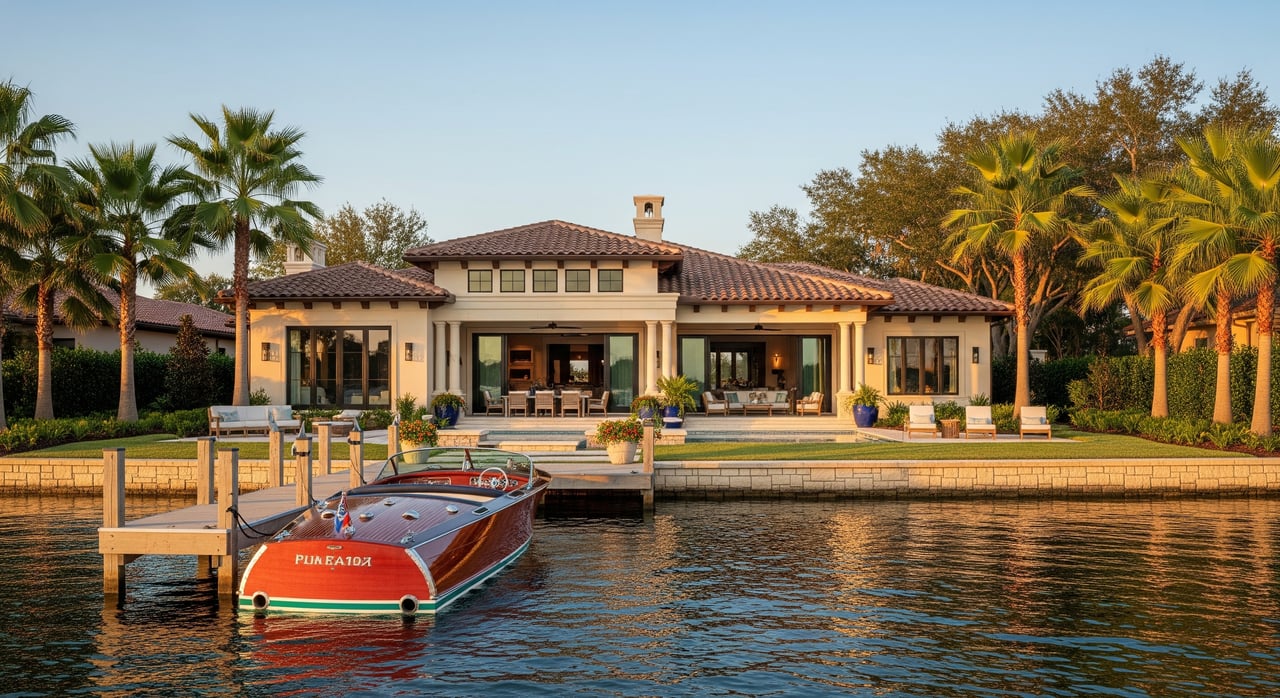
Imagine stepping onto your dock at sunrise with coffee in hand, watching the water turn gold as a heron glides by. If that sounds like your kind of morning, Winter Haven’s Chain of Lakes may be calling your name. You want a clear picture of daily life on the water, not just pretty views. In this guide, you’ll learn how the chains connect, what people do on the lakes, what homes look like, and the key details to check before you buy. Let’s dive in.
The Chain at a glance
Winter Haven’s identity is tied to its network of connected freshwater lakes. Locals often talk about the north and south chains, which include well‑known lakes like Lake Howard, Lake Eloise, Lake Cannon and Lake Mirror. Many of these lakes sit near downtown, so you get water views close to restaurants, parks and trails.
Connectivity varies by lake, water level and season. Some lakes link by canals that support small motorboats, pontoons or kayaks, while others are better for paddling. If you plan to keep a boat, it’s smart to confirm which routes are passable for your boat type and typical water levels.
Local government and state agencies help care for the lakes and regulate use. The City of Winter Haven and Polk County manage parks, public boat ramps and permits. Regional and state groups handle water quality, shoreline work and boating and fishing rules.
Daily life on the water
Boating rhythms and safety
On a typical day you’ll see pontoons cruising, bass boats casting along the reeds, and kayaks hugging the shoreline. Weekends, holidays and peak tourist periods bring more traffic, especially near public ramps and popular lakes. You should follow posted speed and no‑wake zones and carry required safety gear. Personal watercraft have specific age and operation rules, so review state guidelines before you ride.
Fishing and wildlife
Freshwater fishing is a big draw. Anglers target largemouth bass, bluegill, crappie and catfish. You’ll also spot wading birds, turtles and sometimes alligators. Use common‑sense safety around wildlife and follow state freshwater fishing regulations and licensing.
Parks, events and dining
Lakefront parks and downtown spaces along Lake Mirror and Lake Howard host concerts, festivals and seasonal boat parades. Waterfront dining and casual sandbar meet‑ups add to the social rhythm. With Florida’s climate, you can enjoy the lakes year‑round, though activity rises in warmer months and during school breaks. During hurricane season, keep an eye on weather and secure your boat and dock equipment.
Homes you will find
Styles and features
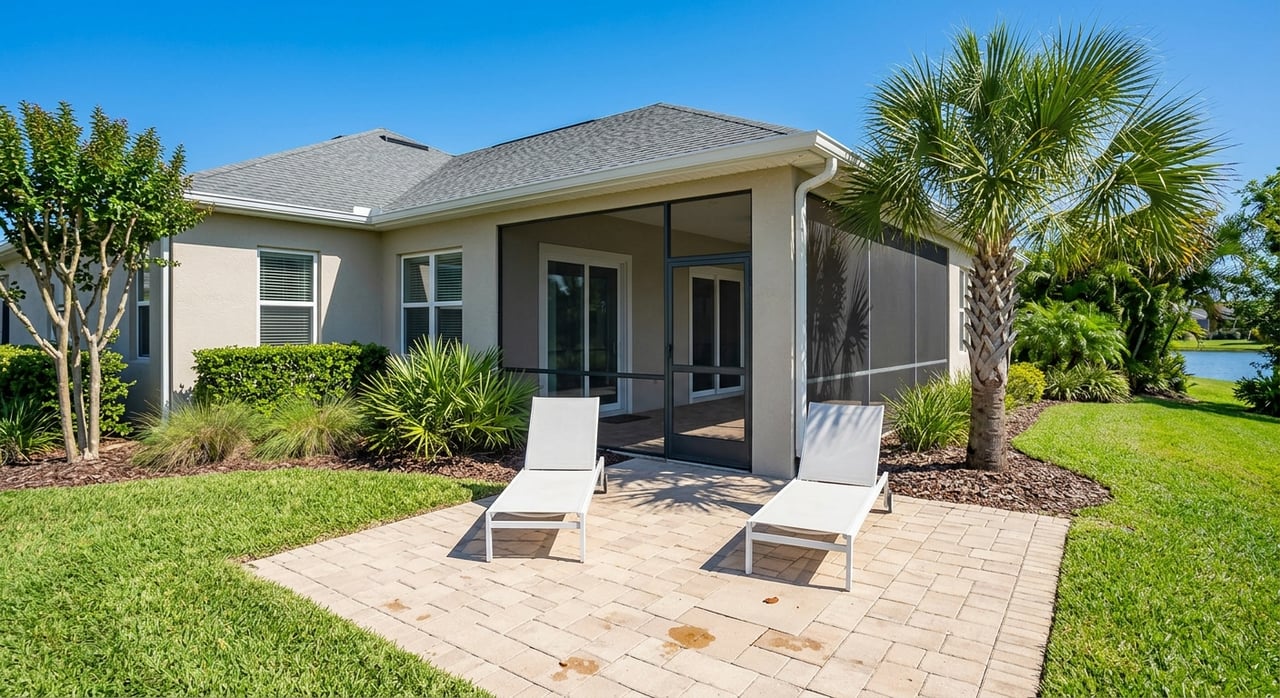
You’ll see a range of homes along the Chain of Lakes. There are historic cottages and bungalows near downtown, mid‑century ranch homes, renovated lakefront bungalows and custom estates on larger shorelines. Many properties include seawalls, private docks, boat lifts and outdoor living areas like screened porches, lanais and decks oriented to the water.
Lots and shorelines
Lot shapes and shoreline depths vary. Some properties sit on narrow frontage with long docks; others have wide, gently sloping yards. Older seawalls can show wear and may need repair or replacement. That makes dock and seawall condition an important inspection item. Landscaping near the water may be subject to local environmental rules to protect the shoreline and reduce runoff.
Neighborhood feel
Some lakefront streets feel quiet and residential, while areas close to downtown lakes offer a livelier setting with parks, trails and restaurants nearby. A few shorelines include adjacent public access or boat ramps. Others are more private. Walking the area at different times of day helps you understand traffic patterns, sound and views.
What to know before you buy
Permits and rules
Work on docks, boat lifts and seawalls usually requires local building permits and may need review by regional or state agencies. Before you plan improvements, ask the City of Winter Haven and Polk County about past permits for existing structures and what is allowed today. If you are considering dredging or major shoreline work, you should expect more review. Boating rules such as speed and no‑wake zones are posted and enforced, and rules can vary by lake.
Flood and insurance
Many lakefront parcels sit in FEMA‑mapped flood zones. Lenders may require flood insurance, which is separate from homeowners coverage. Florida policies often include windstorm coverage and hurricane deductibles. Insurance pricing can vary, so getting quotes early is one of the smartest steps in your planning. An elevation certificate, if available, can help insurers assess risk.
Septic or sewer
Some lakefront homes connect to municipal sewer, while others rely on septic systems. A septic inspection and maintenance history review are essential. If you plan a renovation or an addition, the availability of a sewer hookup or the capacity of an existing septic system can affect design and cost.
Maintenance reality
Lake living brings ongoing care. Expect periodic dock and boat lift maintenance, seawall repair over time, shoreline erosion control and aquatic vegetation management near your shoreline. You may also factor in boat storage or marina fees and added lawn care. During storm season, secure boats and gear, check lines and lifts, and inspect docks after weather events.
Water quality and vegetation
Water clarity and aquatic vegetation can change with the seasons. Florida lakes can experience nutrient loading, algae blooms or invasive plants like hydrilla. Local and regional programs work on monitoring and vegetation management. As a homeowner, follow best practices such as minimizing fertilizer use, maintaining septic systems and using native landscaping to protect the lakes.
Is lake living a fit
You are a strong fit for the Chain of Lakes if you value everyday access to the water and are comfortable with the maintenance that comes with it. Typical buyers include:
- Boating or fishing enthusiasts who want quick dock‑to‑lake access.
- Buyers seeking a scenic, outdoor lifestyle with year‑round use.
- Second‑home shoppers who want a quieter, residential base with access to larger city attractions.
Pros
- Daily recreation at your dock: boating, fishing and paddling.
- Big water views and frequent wildlife sightings.
- Active waterfront culture with events and social gatherings.
- Diverse home styles, from cozy cottages to larger estates.
Tradeoffs
- Higher ownership costs for docks, lifts and seawalls.
- Variable water quality and seasonal vegetation.
- Insurance complexity and potential for higher premiums.
- Increased lake traffic near public access points, especially on weekends and holidays.
Smart buyer checklist
Use this list to compare properties and plan due diligence:
- Dock and seawall
- Confirm permits, age, condition and maintenance history.
- Ask what replacement or expansion options are allowed.
- Flood and insurance
- Review FEMA flood maps and obtain insurance quotes early.
- Request an elevation certificate if available.
- Septic or sewer
- Verify connection type; inspect systems and capacity for planned renovations.
- Shoreline access and rights
- Confirm private versus shared access, easements and recorded rights.
- Water depth and navigation
- Check typical depths and whether canals support your boat size year‑round.
- Local rules and HOA
- Review any rules on dock size, boat types, noise and parking.
- Water quality history
- Ask about recent algae events, vegetation issues and ongoing management.
- Neighborhood character
- Visit on weekdays and weekends; note proximity to parks, ramps and services.
- Survey and title
- Verify boundaries, dock ownership and any maintenance obligations.
Market context
Lakefront homes often carry a premium that varies by lake, frontage and condition. Inventory and pricing can shift with season and demand. A local review of comparable sales and property history will help you understand value and timing. A focused search can also surface opportunities that need cosmetic updates but have solid shoreline structures.
Your next step
If the Chain of Lakes feels like your place, you deserve a guide who knows the water, the neighborhoods and the permits that shape your plans. Polk Real Estate is a boutique, owner‑operated brokerage serving Polk County with hands‑on, concierge‑level service. From previewing docks and seawalls to coordinating inspections and insurance quotes, you get the detail work handled and clear advice at each step.
Ready to explore Winter Haven lakefront homes or get a valuation for a property you already own? Connect with Cheryl Bossarte for local insight and a plan tailored to your goals.
FAQs
What activities are popular on Winter Haven’s Chain of Lakes?
- You will see powerboating, pontoon cruising, kayaking and paddleboarding, plus freshwater fishing for bass, bluegill, crappie and catfish.
Can I navigate the whole Chain with my boat?
- It depends on your boat size, lake depths, canal conditions and seasonal water levels; confirm typical routes for your boat type before you buy.
Do I need a permit to rebuild a dock or seawall?
- Yes, local building permits are typical and some projects also need review by regional or state agencies; check with the city and county first.
Is flood insurance required for lakefront homes in Winter Haven?
- Lenders may require flood insurance if the property is in a FEMA‑mapped flood zone; get quotes early and ask for an elevation certificate if available.
What wildlife might I see near the lakes?
- Residents commonly see wading birds, turtles and sometimes alligators; follow safety guidance around wildlife and keep a respectful distance.
How busy do the lakes get on weekends and holidays?
- Activity increases near public ramps and popular lakes during weekends, holidays and peak tourist seasons; plan your boating times accordingly.
Are algae blooms a concern on the lakes?
- Conditions vary by lake and season; water quality and vegetation management efforts are active, and homeowners can help by reducing nutrient runoff.